
Constantly switching between the apps and telling yourself that you will get up and be more productive after one more minute of screen time, and yet doing all the same things and still looking at the screen, is what happens to most of us when we are under digital overload effects.
Digital system is useful and fun, but overload is bad and not just bad but damaging to one’s brain. I’ll explain how we can escape this loop and protect our mental health.
What is digital overload?
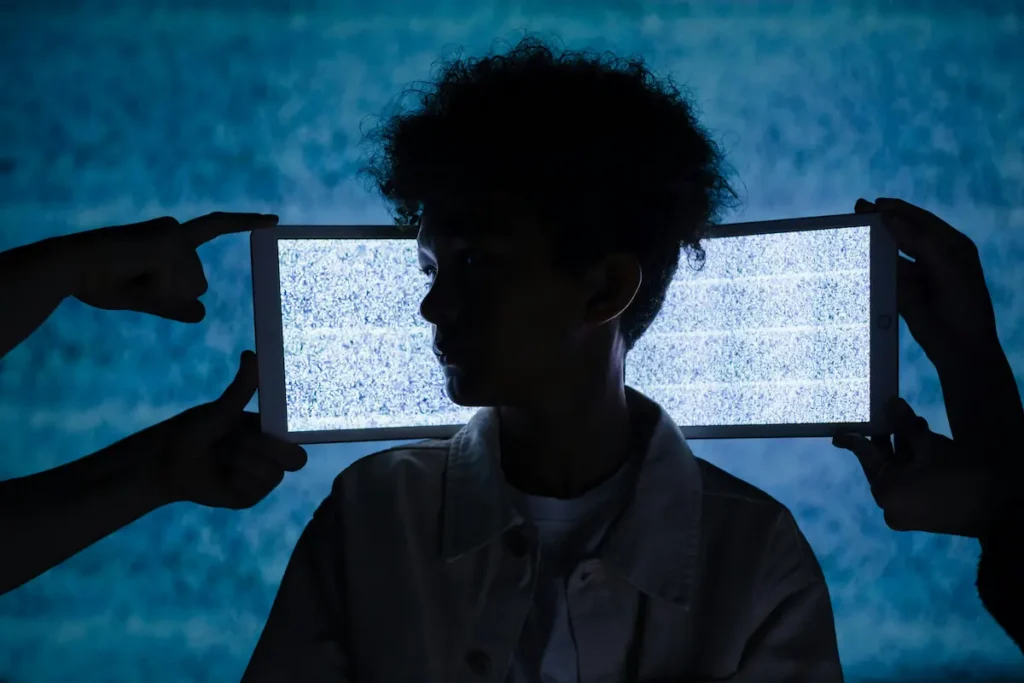
Digital overload is when our brain receives more information than what it can handle. This causes damage to the brain.
It is caused by news, television, netflix, movies, anime and constant notifications. This barrage of social media makes our mind less productive. It even leads to mental fatigue, exhaustion, frustration and low focus.
How it happens in everyday life
Our everyday use of digital screens leads to digital overload. Like using our phone while eating, switching between apps every other minute, watching youtube while texting, never being offline and multitasking 24/7.
The hidden effects of digital overload on our brain
It affects our minds to a great degree. Out of which, I’ll explain some of the common ones
1.Shorter attention span
Screens train the brain to jump quickly which reduces deep focus. When we are used to getting quick dopamine, we will lose the motivation to do something less fast. Scrolling is the most common issue that causes this. Deep focus is one of the best ways to learn something and sadly, we have been losing it gradually due to digital system.
2.Constant low level anxiety
When we get a lot of notifications and news through digital sources, some of these notifications make us anxious, even just a little. As the saying goes, a desert is made from putting one single grain of sand at a time. Similarly, little by little, these anxieties make us really anxious and worried. We get thousands of notifications a day and dozens among these can trigger short forms of anxiety
3.Poor Memory
Too much information reduces retention and overloads working memory. We perceive the world and make memories of every daily activity. Like having breakfast, talking to a friend and reading books. Our minds are well suited to gather a whole day’s worth of memory, and even if we were to spend the whole day reading and studying, the new memories will not be too much for the brain.
This is because our brain can handle a flow of these memories and is designed to work well, although a little rest in between is useful. When we study too much, our brain wants to relax and gets tired. So, we take a break. This is normal functioning. But with digital screens, we keep scrolling even when overloaded with so much new information (mostly useless). This overuse causes poor memory.
4.Emotional Exhaustion
Just like our body, our mind also gets tired. When it is exposed to too much emotions, it gets burned out. Long term digital overuse has quite a big negative effect on our emotional stability too.
5.Trouble Sleeping
Screens disturb the release of melatonin, which is the sleep hormone. This can even cause insomnia. A bad sleep causes a bad day. When every night sleep is disturbed by digital overload and screens, then you get a less productive day to day life.
Why digital overload is increasing so fast?
Addiction
Social media applications are designed to keep us addicted to them. The more we use them, the more profit they make. We get stuck in a loop of infinite scrolling and lose the track of time, which is bad but not as bad compared to knowing everything but still not being able to leave the cycle because you don’t even have the slightest motivation to move a muscle.

Fear of missing out
Fomo, or in words, fear of missing out. This fear makes us anxious and worried that we might miss out on something, and will be left behind. This keeps us on the internet and makes it almost impossible to leave it.
Social Validation Loop
An urge to be approved by people online, through comments and likes. This validation makes you dependent on what the majority of people thinks. This takes away your personal opinions. It also creates a fear of what people will think.
I have explained this in full detail, you can read it here.
Escape from Reality
Screens become a simple escape from sadness, stress and boredom. What do you do when the world stresses you? You use your phone in your own private space. This escape feels very comfortable, but it is also fake. You are escaping from reality, even though there is no escape. You have to live anyway, so might as well live better, instead of searching for ways to escape. Because of social media, the urge to escape has sky rocketed, and again, Digital screens are the anchor. You escape to them.
Symptoms of Digital Overload
Physical symptoms
- Headaches
- Dry eyes
- Neck pain
- Fatigue
- Sleep problems
Mental Symptoms
- Difficulty focusing
- Feeling overwhelmed
- Emotional numbness
- Forgetfulness
- Irritability
Behavioral Symptoms
- Checking phone without purpose
- Scrolling at night
- Switching apps constantly
- Feeling stressed and anxious when your phone is not around
How to manage digital use
Using internet is not a bad thing. In fact, it is one of the best things so far. It gives you knowledge, entertainment and so much more. The problem is overusing it. I’ll explain how you can manage it on your own.

Boundaries
Set proper boundaries and do not cross them. It takes some practice but it is certainly possible. When the usage is limited, the overload is decreased significantly
Set boundaries like, no phone for the first hour after waking up, No phone 30 minutes before sleeping, no screens during meals and no constant use beyond 2 hours of measured time.
20-20-20 Rule
This is mainly to protect your eyes, and since eyes are the main reason of this overload, this technique is quite effective.
After every 20 minutes, look at something 20 feet away for 20 seconds. This gives your eyes a pause and reduces the damage.
Limit Notifications
Turn off all the non-essential notifications like instagram likes, new video uploads etc. Keep only messages and calls on, and whatever else is as important to you.
Digital well-being
Social media applications have this feature which reminds you to take a break in between. You can manually take breaks after every hour or half an hour.
Stop multitasking
Do only one thing at a time and focus only on that. This improves clarity and focus. Multitasking is only beneficial when you have no other choice.
Offline activities
Bring back offline activities that give you relief and fun. Go play sports with friends. Read real books even if fictional. Draw something. Write journals. Talk to someone face to face. Go out for a walk.
As I have said before, using interent and screens is very beneficial but overusing it is severely damaging to our brains. We don’t need to completely be away from it, we just need to use it in healthy limits.
You will see real time focus improvements, and emotional and mental stability as well. We feel dependent on it, but we can certainly live fine even without the internet.
Harvard University did a great research on this topic. You can read Here
That’s such a major issue.
Thank you for explaining and helping 🤍